Fitbit’s story has always been about making health data simple—but since Google finalized its acquisition, the way it delivers that promise is evolving fast. Below is a clear-cut look at what’s changing, what’s staying, and how it all affects you.
Android Finally Catches Up on Battery Alerts
An upcoming Fitbit app update unlocks “fully charged” notifications for Android phones, matching a convenience iPhone users have enjoyed for years. Once it rolls out, your phone will ping you the moment your tracker or watch hits 100 %, so you can pull it off the charger and preserve battery longevity.
Google Assistant Is on the Way Out
If you own a Versa 4 or Sense 2, you’ve probably noticed the quiet disappearance of Google Assistant. Google is standardizing voice services across its wearables portfolio, steering Fitbit owners toward Alexa for now and Gemini-powered voice control on the Pixel Watch line. Practical takeaway: if voice commands matter to you, double-check which assistant your device still supports before upgrading.
Fitbit’s New Home: The Pixel Watch 3
Rather than launching a Versa 5, Fitbit engineering talent helped build thePixel Watch 3—a Wear OS 5 flagship arriving this fall. Think of it as a Fitbit watch on pro-grade hardware:
The Tracker Lineup Stays Alive—and Smarter
Fitbit isn’t abandoning dedicated fitness bands. The Charge 6 now pipes turn-by-turn directions from Google Maps, plays YouTube Music controls, and supports ECG, EDA, and cEDA stress detection. Inspire 3 remains the go-to budget pick, Luxe offers a jewelry-style body, and the kid-focused Ace LTE adds cellular for location check-ins.
Big Business Loves Fitbit Data
Corporate wellness exploded over the past year: nearly half of Fortune 500 companies now subsidize Fitbit devices to cut healthcare costs and boost engagement. Expect deeper integration with Google Workspace—think step-count leaderboards in Google Chat and automated “take-a-break” prompts during marathon video meetings.
What It All Means for You
Quick-Glance Update Grid
Fitbit’s pivot from mass-market smartwatches to a dual strategy ofpremium Google watches plus specialized trackersmay feel jarring, but it also means fresher hardware, faster software updates, and deeper Google services integration. Whether you’re eyeing the stylish Pixel Watch 3 or a no-nonsense Charge 6, the ecosystem still delivers the granular health metrics Fitbit built its reputation on—just in a more focused lineup.
Health and Fitness Features Of Smartwatches
Modern health and fitness features have transformed personal wellness tracking into a precise science.Smart devices now monitor everything from basic step counts to sophisticatedhealth metricslike ECG readings, heart rate variability, and irregular heartbeat detection, giving users unprecedented insights into their physical well-being.
The integration of health monitoring tools into everyday devices marks a significant shift inpreventive healthcare. Apple Watch and similar devices have evolved from simple fitness trackers to comprehensive health management systems, offering features that can detect potential health issues before they become serious problems.
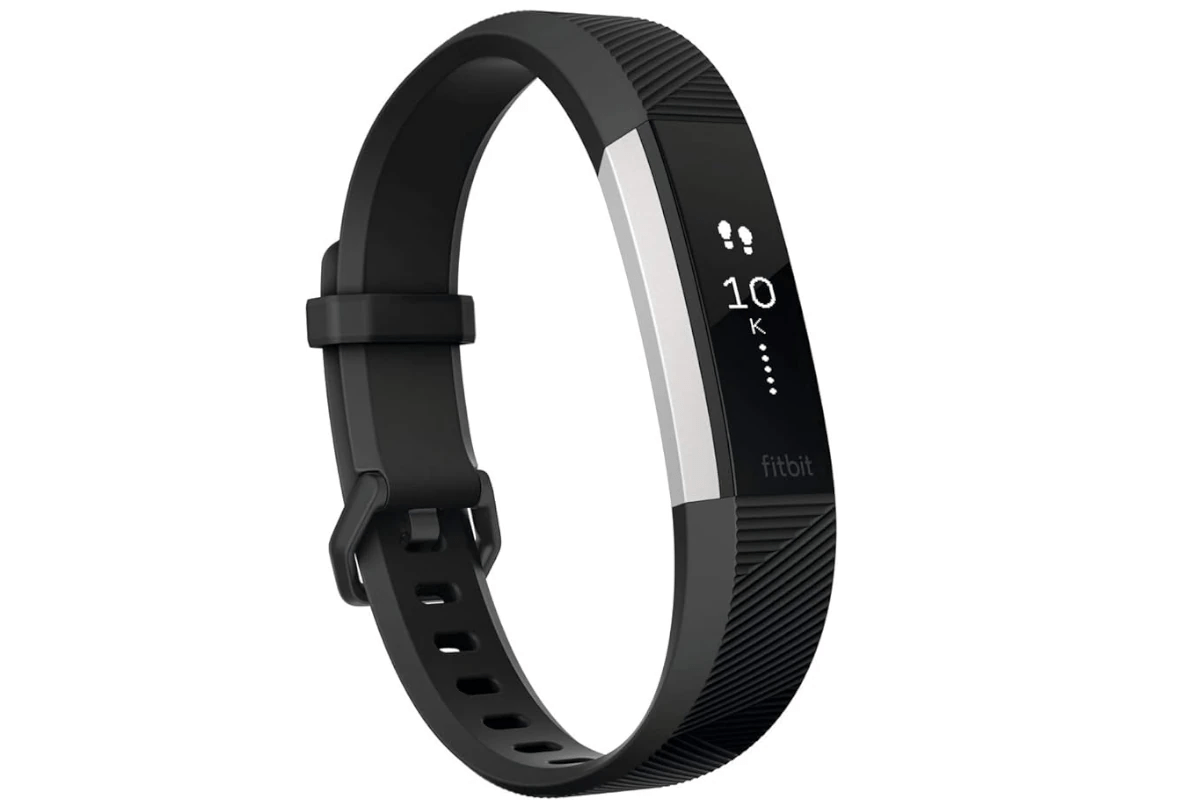
These technological advances connect users directly with medical research initiatives. The data collected through these devices contributes to broader health studies, helping researchers develop new features and improve existing ones for future generations.
Smartwatches have become powerful tools for health and fitness, offering a wide range of features to help users monitor their well-being and achieve their fitness goals.Here are some of the most common and advanced health and fitness features of smartwatches:
Core Fitness Tracking:
Health Monitoring:
Advanced and Emerging Features:
How Smartwatches Monitor Health:
Smartwatches utilize a variety of sensors to collect this data:
It’s important to remember that while smartwatches offer valuable insights into your health and fitness, they are generally not medical devices and their data should not replace professional medical advice.However, they can be excellent tools for increasing self-awareness, motivating healthier habits, and providing data to discuss with your healthcare provider.
Key Takeaways
Core Health and Fitness Features
Modern fitness technologies integrate advanced health monitoring capabilities with personalized wellness management tools to create comprehensive health solutions that track, analyze, and guide users toward their fitness objectives.
Real-Time Health Monitoring
Advancedheart rate sensorsprovide continuous cardiovascular monitoring during workouts and daily activities. Users receive instant alerts for irregular heart rhythms and abnormal patterns.
ECG functionalitycaptures detailed heart data and can detect atrial fibrillation. Blood oxygen monitoring tracks SpO2 levels throughout the day and night.
Fall detection and crash detection features automatically contact emergency services when incidents occur. GPS tracking enables precise location sharing in emergencies.
Fitness and Activity Tracking
Smart devices track steps, distance, floors climbed, and active minutes with built-in accelerometers and altimeters. Workout detection automatically identifies and records exercise types.
Users can monitor calories burned, training load, and workout intensity levels. Custom workout plans adapt based on performance and progress.
Key Metrics Tracked:
Sleep and Recovery Management
Sleep trackinganalyzes duration, stages, and quality using heart rate and movement sensors. Sleep schedules and bedtime reminders promote consistent rest patterns.
Recovery recommendations factor in sleep quality, training load, and heart rate variability. Stress monitoring through HRV tracking helps users manage mental wellbeing.
Nutrition and Diet Tools
Digital food logs simplify calorie and nutrient tracking. Barcode scanning enables quick meal logging and nutritional information access.
Meal planning features suggest balanced recipes and portion sizes. Water intake tracking promotes proper hydration.
Smart Features:
Interconnectivity and Compatibility
Devices sync wirelessly with fitness apps and health platforms. Cross-device compatibility enables seamless data sharing between smartwatches, phones, and tablets.
Third-party app integration expands tracking capabilities. Cloud storage keeps health data secure and accessible.
User Experience Enhancements
Customizable watch faces display relevant health metrics. Voice commands through Siri or other assistants enable hands-free control.
Push notifications deliver timely reminders and alerts. Extended battery life supports multi-day usage between charges.
Comprehensive Wellness Management
Health insights identify trends and patterns in vital signs and activities. Personalized recommendations guide users toward health goals.
Wellness Features:
Social features enable workout sharing and friendly competition. Achievement badges and rewards foster motivation and accountability.
Frequently Asked Questions
Health andfitness programsrequire specific components, tools, and strategies to maximize effectiveness. Physical activity creates measurable improvements in mental health, body composition, and daily function.
What are the essential components of a health and fitness program?
A complete fitness program needs three key elements:cardiovascular exercise, strength training, and flexibility work.
Each workout should start with a 5-10 minute warm-up to prepare muscles and joints for activity.
Proper nutrition supports exercise goals through adequate protein, complex carbohydrates, and healthy fats.
How does regular physical activity benefit overall well-being?
Exercise strengthens the heart, lungs, and muscles while improving endurance and flexibility.
Physical activity releases endorphins that reduce stress and anxiety levels.
Regular movement helps maintain healthy body weight, blood pressure, and cholesterol levels.
What features should one look for in a health and fitness tracker?
Basic trackers shouldmonitor steps, distance, calories burned, and heart rate.
Advanced models include GPS tracking, sleep analysis, and workout guidance.
Water resistance and battery life are important practical considerations for daily use.
What are the four main areas of health fitness and how do they interrelate?
Cardiovascular endurance supports sustained activity and heart health.
Muscular strength and endurance allow for functional movement and injury prevention.
Flexibility enables proper form and range of motion during exercises.
Body composition reflects the balance between muscle mass and body fat percentage.
How do health and fitness routines contribute to mental health?
Exercise reduces symptoms of depression and anxiety through chemical changes in the brain.
Regular physical activity improves sleep quality and cognitive function.
Group fitness classes and team sports create social connections that boost mood.
Why is understanding the various aspects of physical health crucial for individual fitness plans?
Different body types and fitness levels require specific exercise modifications.
Personal goals and limitations shape exercise selection and intensity levels.
Medical conditions and past injuries influence safe workout programming choices.
