Apple Pay isn’t just for contactless purchases anymore—it’s also one of the fastest and most secure ways to send money directly from your iPhone. Whether you’re splitting dinner, paying rent to a roommate, or sending a birthday gift, Apple Pay throughApple Cashoffers a seamless and private solution baked right into the Messages app.
What You’ll Need Before You Send Money
Before you can start sending funds, ensure the following are set up:
To enable Apple Cash:
You’ll also need two-factor authentication turned on for your Apple ID.
How to Send Money With Apple Pay
That’s it. The money is sent instantly, and the recipient will get a notification right away. Funds are deposited to their Apple Cash balance, which they can spend with Apple Pay or transfer to their bank account.
What Makes Apple Pay Stand Out?
Unlike traditional money transfers through banks or third-party apps, Apple Pay is deeply integrated into the iOS ecosystem. This means:
Plus, Apple Pay uses Face ID or Touch ID to verify every transaction, so payments are not only quick but secure.
Are There Fees?
Sending money with Apple Pay using adebit card or Apple Cash balance is free. If you choose to send money with acredit card, there’s a 3% fee.
What About Limits?
How Fast Is It?
Apple Pay transfers to another Apple Cash user are typicallyinstant. However, if you’re transferring money from your Apple Cash balance to your bank account, you can choose:
Final Tip: If You Don’t See Apple Cash in Messages
verify both you and the recipient are in the U.S. (Apple Cash is currently U.S.-only), and check that region settings are set correctly underSettings > General > Language & Region.
Apple Pay makes sending money as easy as sending a text—and with Apple’s focus on privacy and convenience, it’s no surprise that millions of iPhone users are switching to it for quick person-to-person payments.

Key Takeaways
Setting Up Apple Pay
Before you can send money with Apple Pay, you need toset upthe service on your device. Apple Pay works with many Apple devices and requires adding at least onepayment cardto your digital wallet.
Compatibility Check for Devices
Apple Pay works withiPhone models with Face ID or Touch ID, except for iPhone 5s.iPad modelswith Touch ID or Face ID can also use Apple Pay. TheApple Watchpairs with your iPhone to enable payments on the go.
Mac computers with Touch ID have built-in Apple Pay support. Other Mac models can use Apple Pay when paired with an iPhone orApple Watch.
Make sure your device runs the latest version of iOS, watchOS, or macOS. Older software might not support all Apple Pay features.
Your device needs an internet connection during setup. It also requires anApple IDsigned in to iCloud.
Adding a Payment Method
To add a card to Apple Pay, open the Wallet app on your iPhone or iPad. Tap the plus sign in the upper right corner to start.
You can add:
The setup process is simple:
Some banks might send you a code via text or email. Others might ask you to call or use their app to finish verification.
You canset up Apple Cashby going to Settings > Wallet & Apple Pay and turning on Apple Cash.
Security Measures for Setup
Apple Pay uses several layers of security to protect your information. Your actual card numbers are never stored on your device or Apple’s servers.
Device security features:
Each transaction uses a unique code instead of your card number. This makes Apple Pay more secure than physical cards.
Apple doesn’t track or store information about what you buy. The company can’t see how much you paid or where you shopped.
Two-factor authenticationfor your Apple ID adds extra protection. Turn this on in your Apple ID settings for the best security.
If your device is lost or stolen, use Find My to put it in Lost Mode or erase it remotely.
Using Apple Wallet and Apple Cash
Apple Wallet makes sending money as easy as sending a text message. With Apple Cash, you may quicklytransfer fundsto friends and family right from your iPhone, without dealing with cash or checks.
Navigating the Wallet App
The Wallet app comes pre-installed on your iPhone and serves as your digital financial hub. To find it, look for the black and white wallet icon on your home screen. When you open the app, you’ll see all your payment cards, including Apple Cash if it’s set up.
To send money with Apple Cash, firstopen the Wallet appand tap on your Apple Cash card. You’ll see your current balance at the top. Tap the“Send”button to transfer money to someone else.
you’re able to also send money directly through the Messages app. Just open a conversation, tap the plus icon, then the Apple Pay button, and enter the amount you want to send.
Understanding Apple Cash
Apple Cash functions like adigital prepaid cardin your Wallet app. It’s backed by Green Dot Bank and lets you send, receive, and request money from other Apple users.
When someone sends you money, it goes to your Apple Cash card. You can use these funds to:
There areno feesto send or receive money when using a debit card. Credit card transfers incur a small percentage fee.
Daily limits apply to transactions—you may send or receive up to $10,000 per transaction or within 7 days.
Setting Up Apple Cash
To use Apple Cash, you need to be at least 18 years old and a U.S. resident with a compatible device. The setup process is simple and takes just a few minutes.
First,enable Apple Cashin your Wallet app by tapping on the Apple Cash card and following the prompts. You’ll need to:
After setup, you can add money to your Apple Cash balance from any debit card in your Wallet. Your Apple Cash card will appear black with a green “cash” icon.
To receive money, the sender must have your phone number or email address that’s linked to your Apple ID. When someonesends you money, you’ll need to manually accept it the first time.
Making Person-to-Person Payments
Apple Pay makes sending money to friends and family quick and easy. you’re able to transfer funds with just a few taps using Messages, request payments when someone owes you money, or simply ask Siri to handle the transaction for you.
Sending Money with Messages
The Messages app offers the simplest way tosend money directly to another person. To get started, open a conversation with the recipient in Messages. Tap the Apple Pay button (looks like a dollar sign) at the bottom of the screen.
Enter the amount you want to send. You can also add a message about what the payment is for if you’d like.
Tap “Pay” and then confirm with Face ID, Touch ID, or your passcode. The money will be sent from yourApple Cash card or linked debit card.
The recipient will get a message showing the payment. They’ll need to have Apple Cash set up to accept the funds. First-time users may need to accept the terms and conditions.
Requesting Money via iMessage
Need someone to pay you back? You can easilyrequest money through iMessage.
Open Messages and select a conversation with the person who owes you money. Tap the Apple Pay button and enter the amount they owe.
Instead of tapping “Pay,” tap “Request” and send thepayment request. The person will receive a notification they can tap to complete the payment.
They can fulfill your request with just a few taps. Once they pay, the money goes directly to your Apple Cash card, which you can use for purchases or transfer to your bank account.
For regular payments, you can set up recurring payment requests by tapping “Show Keypad” and selecting “Send Recurring Payment.”
Using Siri for Transactions
The fastest way to send or request money is byusing Siri voice commands. This hands-free option works when you’re busy or on the go.
To send money, activate Siri and say something like: “Send $20 to John for lunch.” Siri will confirm the recipient and amount before sending.
For payment requests, say: “Ask Emma for $15 for movie tickets.” Siri will create the request and send it through Messages.
You’ll need to confirm transactions with Face ID, Touch ID, or your passcode. This security step ensures nobody else can send payments using your voice.
Siri can also check your Apple Cash balance or transaction history. Just ask “What’s my Apple Cash balance?” to get a quick update on your funds.
Privacy and Security in Transactions
Apple Pay protects your personal information during money transfers. The system uses special codes instead of sharing your actual card details with merchants, keeping your data safe from potential theft.
Apple’s Commitment to Privacy
Apple designed Apple Pay withprivacy as a priority. When you make a payment, your actual card numbers aren’t stored on your device or Apple’s servers. Instead, Apple Pay creates a unique device number that’s encrypted and stored safely.
Your full card details are never shared with merchants. This means stores can’t track your purchases across different locations or link them to your identity.
Apple doesn’t collect information about what you buy, where you shop, or how much you spend. Yourtransaction data remains private– even from Apple itself.
For Mac users, you can check and manage privacy settings by going toSystem Settings > Privacy & Security > Privacy > Location.
Security Checks During Transactions
Every Apple Pay transaction goes through multiple security checks. Before processing your payment, the system verifies your identity usingFace ID, Touch ID, or your passcode.
These checks helpprevent transaction fraudand unauthorized payments. Your payment information is encrypted during transmission, making it extremely difficult for hackers to intercept.
When paying in apps, Apple receives encrypted transaction data and sends it to the right developer or merchant. This process adds another layer of protection for your information.
Apple Pay works like analias for your physical card, keeping your actual card details private while still providing merchants with the necessary billing information to complete your purchase.
Troubleshooting and Support
Even with a well-designed system like Apple Pay, you may encounter issues that need quick solutions. Here are the most common problems and their fixes to keep your digital payments running smoothly.
Common Issues with Apple Pay
If Apple Pay isn’t working properly, try some basic fixes first.Restart your deviceas this often resolves temporary glitches. This simple step clears the memory and reestablishes connections.
Check that your cards are properly set up in the Wallet app. Sometimes cards become inactive or expire without notice. Verify that your card information is current and valid.
Make sure you’re in an area with good internet connection. Apple Pay requires either cellular data or Wi-Fi to process transactions. Poor connections can causepayment failures.
For in-store payments, confirm the terminal accepts Apple Pay. Look for thecontactless paymentsymbol or Apple Pay logo. Not all stores have updated their payment systems to accept digital wallets.
Resolving Payment Failures
When sending money to friends or family, verify that both parties haveApple Cash set up correctly. Both sender and recipient need valid Apple Cash accounts.
If a payment fails, check your account balance. Insufficient funds are a common reason for declined transactions. You may need to add money to your Apple Cash balance.
Identity verification issues can block payments. Users may need toverify their identityto send or receive larger amounts. This is part of Apple’s security measures to prevent fraud.
Try selecting your payment card manually instead of using the default. Sometimes specific cards have temporary restrictions or transaction limits that prevent successful payments.
Contacting Apple Pay Support
For persistent issues,Apple’s official supportoffers several contact options. Their website provides detailed guides and troubleshooting steps for specific problems.
The Apple Support app on your device provides direct access to help. You can chat with a representative or schedule a call at your convenience. This often resolves complex issues faster than trying to fix them yourself.
Visit an Apple Store for in-person assistance if online support doesn’t solve your problem. Genius Bar technicians can examine both software and hardware issues that might affect Apple Pay.
Before contacting support, check theApple system status pageto see if there are known outages. Sometimes the problem affects all users and Apple is already working on a fix.
Apple Pay in Retail Environments
Shopping at stores with Apple Pay is quick and easy. You can use it at many retail locations that show the Apple Pay symbol or contactless payment icons.
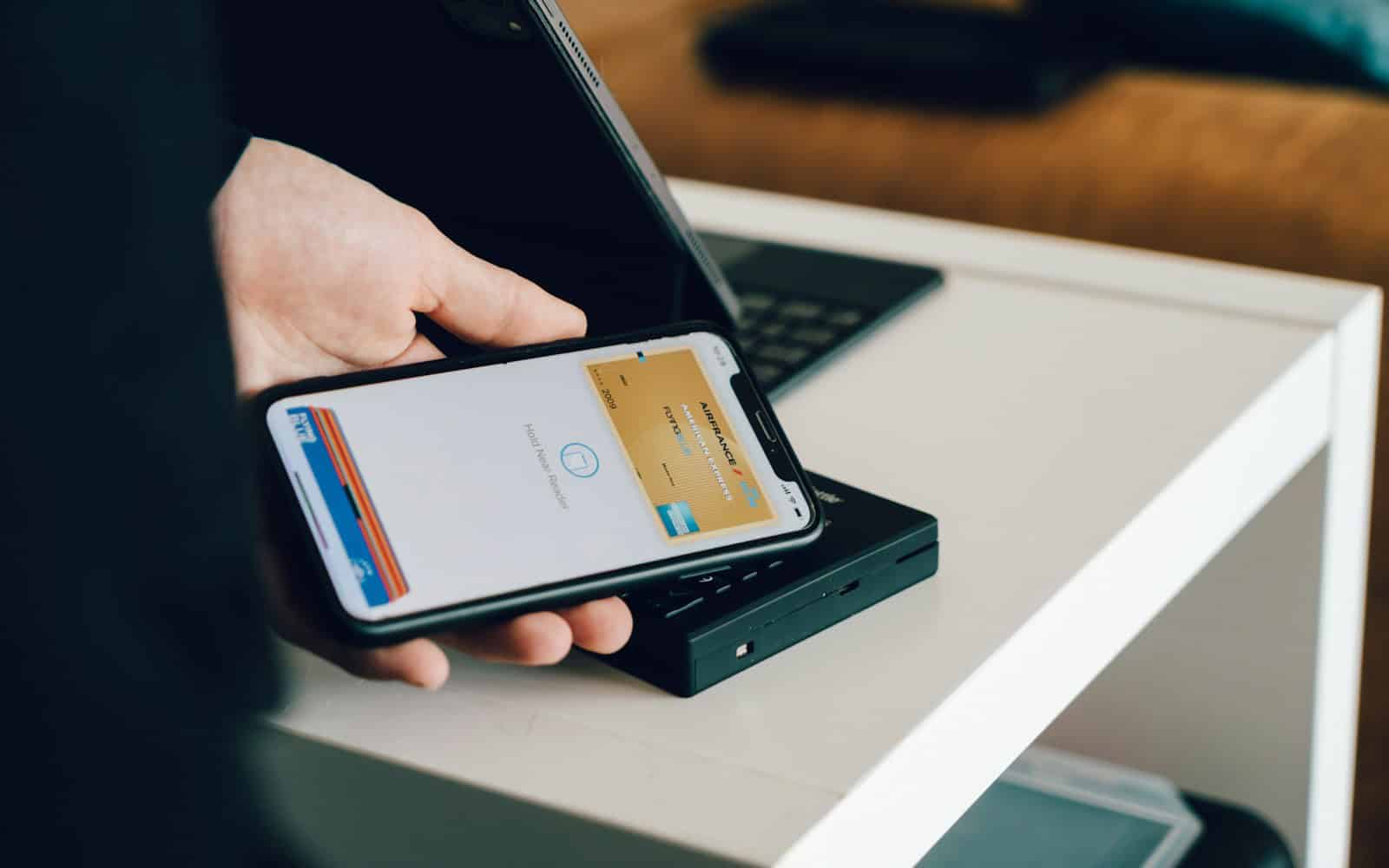
To make a purchase, simply hold your iPhone near thepayment devicewith your finger on Touch ID. If you have an iPhone with Face ID, double-click the side button and look at your screen.
Your default card will appear on screen. Want to use a different card? Just tap the card shown and pick another one.
Compatible Devices:
When the payment goes through, you’ll feel a gentle tap and see “Done” with a checkmark on your screen. No need to show ID or sign anything!
Many major retailers accept Apple Pay at theirPoint of Saleterminals. Look for stores like Target, Walgreens, McDonald’s, and Best Buy.
Apple Pay works at many places you shop daily:
The system uses special security that keeps your card details private. Stores never see your actual card number, making shopping safer.
You can alsouse Apple Paywith your Apple Watch. Just double-click the side button and hold the watch near the reader.
For the best experience, make sure your device is updated to the latest iOS version. This ensures all security features work properly when making purchases.
Managing Your Transaction History
Apple Pay makes it easy to keep track of your spending. Checking yourtransaction historyhelps you stay on top of your finances.
Toview your Apple Pay transactions, open theWallet appon your iPhone. Tap any card to see a list of your recent payments. For more details about a specific purchase, simply tap on that transaction.
If you useApple Cash, you can check those transactions too. Go to Settings > Wallet & Apple Pay, thentap your Apple Cash cardand select the Transactions tab.
Apple Pay keeps your transaction historyprivate and secure. Your full card number isn’t stored on your device or Apple’s servers. Instead, a unique code is used for each transaction.
you may also spot unusual activity by checking your history regularly. This adds an extra layer ofsecurityto your Apple Pay experience.
Having trouble with a purchase? Tap on any transaction toreport an issue. Apple makes it simple todispute chargesyou don’t recognize.
Transaction history helps you:
Apple automatically organizes your transaction data by date and merchant. This makes finding specific purchases quick and easy.
Remember that your transaction history is kept private. Apple’s strong encryption helps protect your financial information from unauthorized access.
Frequently Asked Questions
Apple Pay lets you send and receive money quickly through your iPhone or iPad. You can use credit cards, debit cards, or Apple Cash for person-to-person payments.
What are the steps to send money using Apple Pay on an iPhone?
Sending money with Apple Pay is simple. First,open the Messages appand start a new conversation or tap an existing one.
Then tap the Apple Cash button and enter the amount you want to send. You can add a message if you wish.
Finally, review the payment details and confirm with Face ID, Touch ID, or your passcode to complete the transaction.
How can one receive money through Apple Pay?
When someone sends you money, it appears as a message in your conversation. Tap “Accept” to receive the funds.
The money goes directly to your Apple Cash card. You can use this balance for future Apple Pay purchases or transfer it to your bank account.
If you haven’t set up Apple Cash yet, you’ll be prompted to do so when receiving your first payment.
What is the procedure to set up Apple Cash on an iOS device?
To set up Apple Cash, go toSettings on your iPhoneand tap “Wallet & Apple Pay.” Select “Apple Cash” and follow the on-screen instructions.
You’ll need to verify your identity with basic personal information. This usually takes just a few minutes.
Once verified, yourApple Cash card will appear in your Wallet appand be ready to use for sending or receiving money.
How does one use a credit card to send money via Apple Pay?
To use a credit card with Apple Pay, first add it to yourWallet app. Go to Settings, then “Wallet & Apple Pay,” and tap “Add Card.”
When sending money, your default payment method will be used. To change it, tap the “>” button during the payment process and select your preferred card.
Note that some banks may charge a fee when using credit cards for person-to-person payments through Apple Pay.
How can I acquire an Apple Cash card?
The Apple Cash card is automatically created when you set up Apple Cash. It’s a virtual card that lives in your Wallet app.
To get started,open the Wallet appand tap the “+” button. Select “Apple Cash” and follow the setup instructions.
There’s no application process or credit check required for Apple Cash, making it accessible to most Apple users.
What is the process for transferring Apple Cash to another individual?
To transfer Apple Cash to someone else,open the Wallet app on your iPhoneand tap your Apple Cash card.
Tap “Send” or “Request,” then select or add the person you want to send money to. Enter the amount and tap “Next.”
Review the details and authorize the payment with Face ID, Touch ID, or your passcode. The recipient will get a notification when the money arrives.
