AirPods have long been a popular choice for wireless earbuds, but there has been a lot of confusion over how they can charge and which models support wireless charging. It’s important to note that when talking about charging Airpods we’re talking mostly about the charging case that they come with (because you put your Airpods in the case to charge them). TheAirPods Pro 2, Airpods 4 with ANC, AirPods 3 (with Magsafe Case), and AirPods Pro (1st generation) come with wireless charging cases.These models let you power up your AirPods without plugging in a cable. Simply place the case on aQi-certified wireless chargerto begin charging.
The standard AirPods don’t include wireless charging by default – including the Airpods 4 standard model. But you can buy a separateWireless Charging Caseto add this feature. For the newest AirPods models, USB-C charging is also available alongside wireless options.
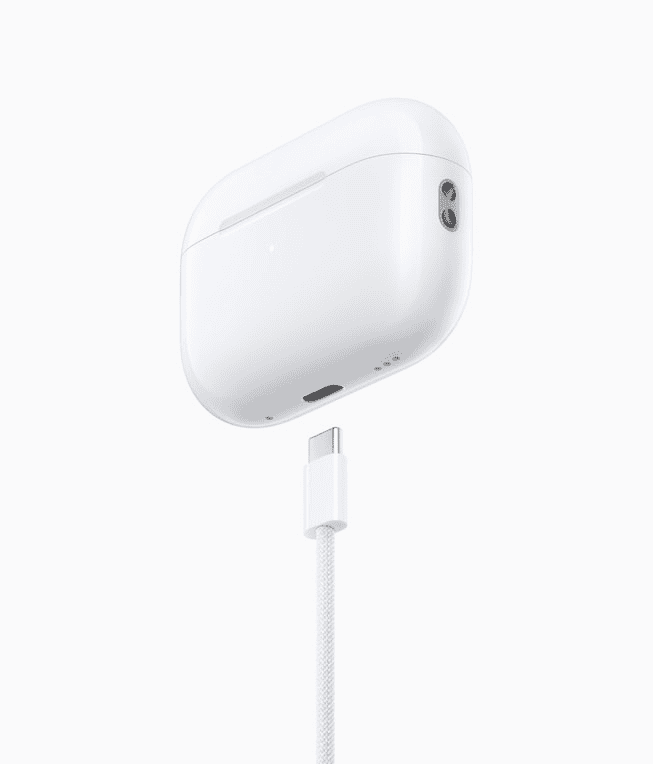
AirPods and Wireless Charging: A Quick Guide
Do AirPods Support Wireless Charging?
Not all AirPods models support wireless charging. Here’s a simple breakdown:
How to Tell if Your AirPods Case Supports Wireless Charging
The easiest way to check if your AirPods case supports wireless charging is to look for theMagSafe alignment magneton the back of the case. It’s a small, circular indentation. If your case has this magnet, it supports wireless charging.
you may also check themodel numberprinted on the underside of the AirPods case lid. Here are the model numbers that support wireless charging:
How to Wirelessly Charge Your AirPods
Understanding AirPods Generations and Features
Apple has released several generations of AirPods, each with its own set of features. Here’s a table summarizing the key differences:
This table can help you compare the different AirPods models and choose the one that best suits your needs.
Evolution of AirPods and Wireless Charging Capabilities
Apple’sAirPodshave seen significant advancements in wireless charging technology. Each new generation has brought improvements to this feature, enhancing user convenience and battery life.
AirPods 1 and AirPods 2: The Beginnings
The original AirPods, released in 2016, did not support wireless charging. They relied on a Lightning port for power. In 2019, Apple introduced the second-generation AirPods. These came with an optionalwireless charging case, compatible with Qi-certified chargers.
The wireless case forAirPods 2featured an LED indicator on the front. This light showed the charging status at a glance. Users could now place the case on a charging pad without needing to plug in cables.
AirPods Pro and AirPods 3: Introducing Wireless Charging
AirPods Pro, launched in 2019, came standard with a wireless charging case. This model introduced active noise cancellation and a new in-ear design. Thewireless charging capabilitybecame a key selling point for the Pro version.
In 2021, Apple released thethird-generationAirPods. These also included a wireless charging case by default. The case design was more compact than previous versions. It supported both Qi and MagSafe charging technologies.
AirPods Pro 2: The Latest Technology
The second-generation AirPods Pro, introduced in 2022, further refined wireless charging. They featured anupdated charging casewith enhanced Find My capabilities. The case included a built-in speaker for easier locating.
A major update came in 2023 when Apple switched to USB-C for the charging case. This change aligned with industry standards and improved compatibility. The AirPods Pro 2 maintained support for both Qi and MagSafe charging.
AirPods Wireless Charging Guide
Wireless charging offers a convenient way to power up your AirPods. This guide covers compatible charging cases, Qi certification, and how to use wireless charging with your AirPods.
Charging Case Compatibility and Options
AirPods models withwireless charging capabilitiesinclude:
The Wireless Charging Case and MagSafe Charging Case enable cord-free power. MagSafe cases align perfectly with MagSafe chargers for efficient charging. You can identify a wireless-compatible case by its status light on the front.
If your AirPods didn’t come with a wireless case, you’re able to buy one separately. This upgrade lets you enjoy wireless charging without replacing your AirPods.
Understanding Qi-Certified Wireless Charging
Qi (pronounced “chee”) is the global standard for wireless charging.Qi-certified chargerswork with all AirPods wireless charging cases.
Key points about Qi charging:
Many smartphones and other devices also use Qi, so one charger can power multiple gadgets. When buying a wireless charger, look for the Qi logo to ensure compatibility with your AirPods.
Tocharge your AirPods wirelessly:
For MagSafe cases, the magnets will help align the case properly. You’ll hear a chime when charging begins.
Charging times vary but expect about 3-4 hours for a full charge. you may check the battery level in your iPhone’s Batteries widget or by opening the case near your phone.
Remember, you can still use a Lightning cable with wireless cases for quicker charging when needed.
Optimizing AirPods Performance
AirPods offer various features to enhance your listening experience. You can maximize battery life, improve sound quality, and ensure a comfortable fit with a few simple adjustments.
Maximizing Battery Life and Listening Time
To extend your AirPods’ battery life,enable Optimized Battery Charging. This feature learns your charging habits and delays charging past 80% until you need to use them.
Keep your AirPods in their case when not in use. This protects them and maintains their charge. Clean the charging contacts regularly to ensure efficient charging.
Use one AirPod at a time for longer listening sessions. This allows you to charge one while using the other.
Adjust your volume levels. Lower volumes consume less battery power.
Disable unnecessary features like Automatic Ear Detection if you don’t use them often. This can helpconserve battery life.
Improving Sound Quality with Adaptive Audio Features
AirPods Pro and newer models offer Adaptive EQ. This feature automatically tunes music to your ear shape for improved sound quality.
Enable Spatial Audio for a more immersive listening experience. It creates a surround sound effect that adjusts as you move your head.
Use the Ear Tip Fit Test on AirPods Pro to ensure you’re using the right size tips. This improves sound isolation and bass response.
Customize your AirPods’ touch controls to quickly accessnoise cancellationor transparency modes. This lets you adapt to your environment without interrupting your music.
Keep your AirPods and your iPhone updated to the latest software. Apple often releases improvements to audio quality and performance.
Ensuring the Best Fit and Comfort
For AirPods Pro, experiment with different ear tip sizes. The right fit improves sound quality and comfort.
Rotate your AirPods slightly to find the most secure and comfortable position in your ears. This can reduce fatigue during long listening sessions.
Clean your AirPods regularly. This prevents buildup that can affect comfort and audio quality. Use a soft, dry, lint-free cloth.
Consider third-party accessories like ear hooks or foam tips. These can improve fit and comfort, especially during workouts.
Take breaks during extended use to avoid ear fatigue. This is particularly important if you use noise cancellation features frequently.
Integrating AirPods with Apple Ecosystem
AirPods seamlessly connect to Apple devices, enhancing your audio experience across iPhone, iPad, and Mac. You can easily manage calls, music, and personalize settings for optimal use.
Seamless Connectivity with iPhone, iPad, and Mac
AirPodspair instantlywith your Apple devices. Open the case near your iPhone and tap “Connect” on the screen. Your AirPods will then sync with all devices linked to your Apple ID.
Switch between devices effortlessly. Start listening on your iPhone, then pick up your iPad and the audio will transfer automatically. This feature works with Mac too, creating a unified ecosystem.
AirPods use Bluetooth technology but offer enhanced functionality within the Apple ecosystem. The H1 chip in newer models improves connection speed and stability.
Using AirPods for Calls and Music
AirPods excel at handling both calls and music playback. During calls,built-in microphonescapture your voice clearly. Activate Voice Isolation to reduce background noise on calls.
For music, AirPods deliver high-quality audio. Some models feature Active Noise Cancellation (ANC) to block external sounds. Use Transparency Mode when you need to hear your surroundings.
Control playback with taps or voice commands. Say “Hey Siri” to change songs, adjust volume, or get directions hands-free. Double-tap to play/pause or skip tracks, depending on your settings.
Personalizing Settings and Accessing Features
Customize your AirPods through your iPhone’s Settings app. Rename your AirPods, adjust tap controls, and enable features likeAutomatic Ear Detection.
Access quick controls through Control Center on your iOS device. Press and hold the volume slider to switch between ANC and Transparency Mode on supported models.
Enable Conversation Awareness to automatically lower volume and activate Transparency Mode when you start speaking. This feature helps you engage in brief chats without removing your AirPods.
Frequently Asked Questions
AirPods wireless charging capabilities vary across models. Here are answers to common questions about this feature.
How can I tell if my AirPods case supports wireless charging?
Look for a small LED indicator on the front of your AirPods case. This light confirms wireless charging support. ForAirPods Pro and some AirPods models, the case will also make a sound when placed on a wireless charger.
Are there any differences between the wireless charging cases for different AirPods models?
Yes, there are slight variations. TheAirPods Pro 2 caseoffersMagSafe compatibilityand a built-in speaker for Find My alerts. Other models may have different charging speeds or compatibility with specific wireless chargers.
What distinguishes the AirPods Pro wireless charging case from other AirPods charging cases?
The AirPods Pro case is smaller and has a more rectangular shape. It supports MagSafe charging and includes a lanyard loop. The case also has water resistance, unlike standard AirPods cases.
Can the original AirPods be charged wirelessly with the addition of a new case?
Yes, you can purchase awireless charging caseseparately for first-generation AirPods. This allows you to charge them wirelessly without buying entirely new AirPods.
What is MagSafe charging, and is it compatible with AirPods?
MagSafe is Apple’s magnetic wireless charging technology. It’s compatible withAirPods 3 and newer models. MagSafe offers faster and more secure charging by automatically aligning the AirPods case to the charger.
Are there any AirPods models that do not support wireless charging?
Yes, the original AirPods andAirPods 4 without ANCdo not support wireless charging. These models require a Lightning cable for charging.
